
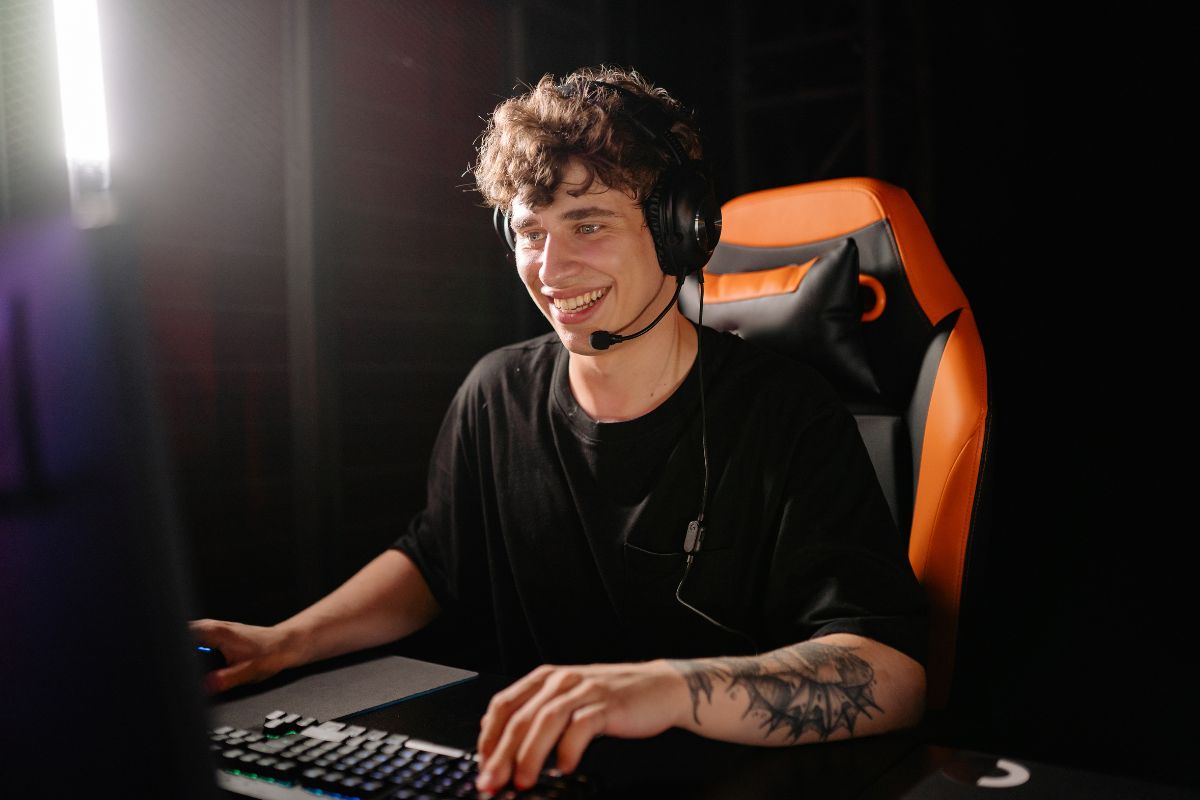
There was a time when gaming sat firmly in the “waste of time” category. But in 2026, that same activity fuels a global industry worth billions.
Players stream to live audiences, compete in packed arenas, and sign deals that look a lot like traditional sports contracts.
It’s easy to see why more people are asking the same question: can this actually be a career?
The short answer is yes. The long answer is where things get interesting.
What “gaming as a career” actually means in 2026
The idea of a “pro gamer” used to be pretty narrow. You either competed in tournaments or you didn’t. Now, it’s a mix of roles that often overlap.
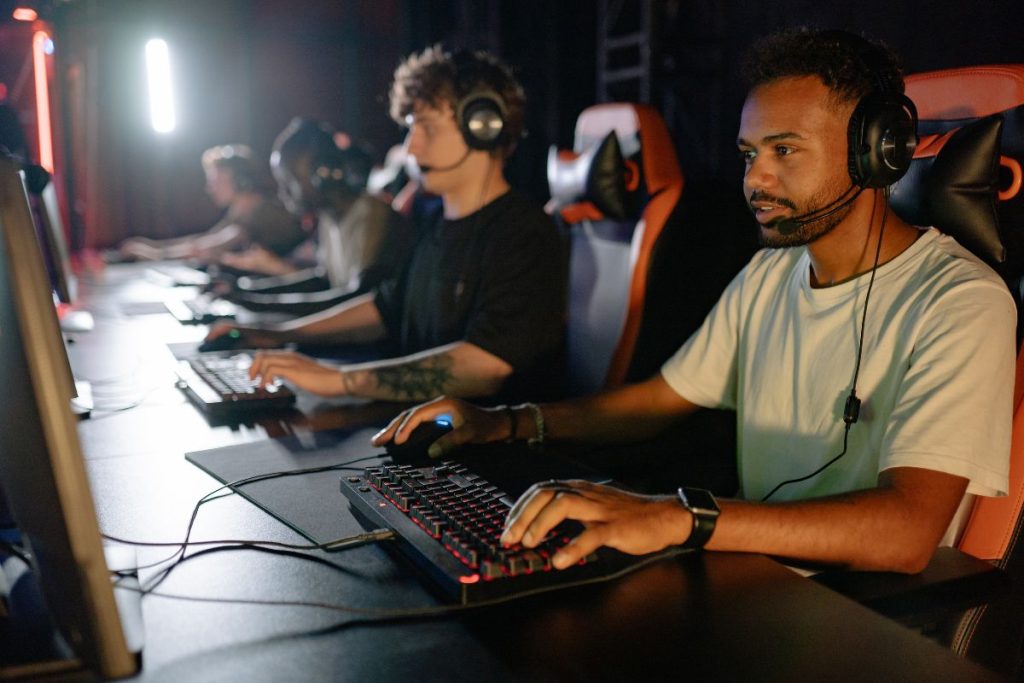
Most people earning from gaming fall into one (or more) of these:
- Content creators, streaming on platforms like Twitch or posting videos on YouTube
- Esports players, competing in structured leagues and tournaments
- Hybrid creators, combining competition, streaming, and brand deals
The most amazing thing is how connected these paths are. A tournament player can stream practice sessions to stay visible, and a streamer wants to join smaller competitions to build credibility.
Over time, it stops looking like “playing games for money” and starts looking like running a personal brand. The gameplay is just one part of it.
How Much Do Gamers Really Earn?
This is where expectations need a reset.
At the entry level, many streamers make very little — sometimes just enough to cover a few monthly expenses.
It’s common to see earnings in the range of $50 to $1,500 per month, especially early on. Growth tends to be slow, and most channels take time to gain traction.
As audiences grow, income can shift quite a bit. Mid-level creators may bring in $5,000 to $30,000 per month, often through a mix of subscriptions, ads, and early brand deals.
And top-tier creators can reach six figures monthly, especially when sponsorships and large audiences come into play
Esports follows a similar pattern. Newer pros might earn around €100K per year, and established players can reach $30K–$40K per month, not counting prize winnings
But the key detail is this: most people don’t reach those top tiers. The gap between average and top earners is massive, and income depends on far more than just talent.
Where The Money Comes From
One of the biggest misconceptions is that streamers get paid just for playing. In reality, income comes from multiple sources working together.
Here’s how it usually breaks down:
- Subscriptions: A steady base from loyal viewers who support monthly
- Ads: Tied to views, often inconsistent but useful at scale
- Donations: Direct support from viewers, often driven by engagement
- Sponsorships: Partnerships with brands, usually the biggest income boost
- Merch and external deals: Clothing, products, or collaborations outside the platform
Early on, most creators rely heavily on smaller streams like subs and donations. Certain niches also open up more monetization opportunities.
For example, creators who focus on casino-style content, like Bitcoin video slots with high RTP, often attract highly engaged audiences and brand partnerships tied to crypto or gaming platforms.
Over time, sponsorships tend to become the real turning point. That’s when gaming income starts to feel less unpredictable.
The Skills You Actually Need (It’s Not Just Gameplay)
A lot of people go in thinking that skill is everything. It helps, no doubt, but it’s rarely what decides who grows and who stays stuck.
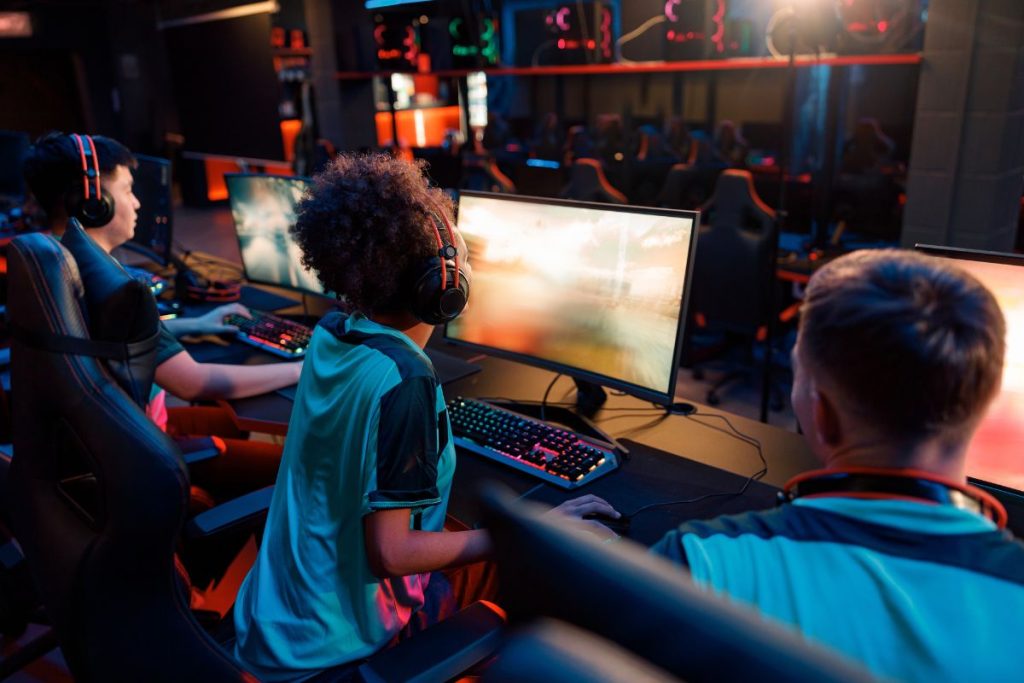
What actually matters shows up once the stream is live and people decide whether to stay or leave within a few minutes.
- Personality: A creator who can react, tell stories, or simply make the session feel engaging has a clear edge, even if they’re not playing at the highest level.
- Consistency: Showing up on a schedule builds familiarity, and over time, that matters more than occasional high-effort streams that come and go.
- New viewer engagement: Clips, short videos, and activity on other platforms often do more for discovery than the mainstream itself.
- Clear identity: It helps people remember the channel. It could be a specific game, a certain style of humor, or a unique way of interacting with chat.
Plenty of creators have built strong audiences without being top-ranked players. They’re simply better at holding attention.
In most cases, people arrive because of the game, but they stay because of the person behind it.
The Hard Truth Most People Don’t Talk About
From the outside, it can look like a steady climb: start streaming, gain followers, earn money. In reality, it’s often slow and unpredictable.
Many streamers spend months or longer talking to a handful of viewers, sometimes none at all.
Income is another challenge. A large number of creators never reach a point where earnings feel stable.
Even those who do can see big swings from one month to the next, depending on views, engagement, or platform changes.
Early on, it’s common to put in long hours without seeing much financial return.
There’s also the mental pressure that builds over time. Trying to stay consistent while growing an audience can get exhausting, especially when progress feels unclear.
Burnout is a real issue, and it doesn’t only affect beginners. Even creators with solid audiences sometimes struggle to keep up the pace.
The result is a path that looks simple on the surface but demands patience and resilience behind the scenes.
Is It Worth It In 2026?
It depends on expectations.
If someone is looking for quick income or an easy path, this isn’t it. The competition is high, and growth takes time.
But for those willing to approach it with patience and a clear plan, there’s a real opportunity.
Gaming today sits somewhere between entertainment and entrepreneurship.
It offers flexibility, creative freedom, and strong earning potential at the top, but getting there requires more than just playing well.